Cooking oil is one of the most frequently consumed components of the modern diet, yet it remains one of the least questioned. The shift from traditionally extracted oils to industrially refined oils happened quietly, driven by scalability and shelf life. This article examines what that shift truly means—from a chemical and health perspective.
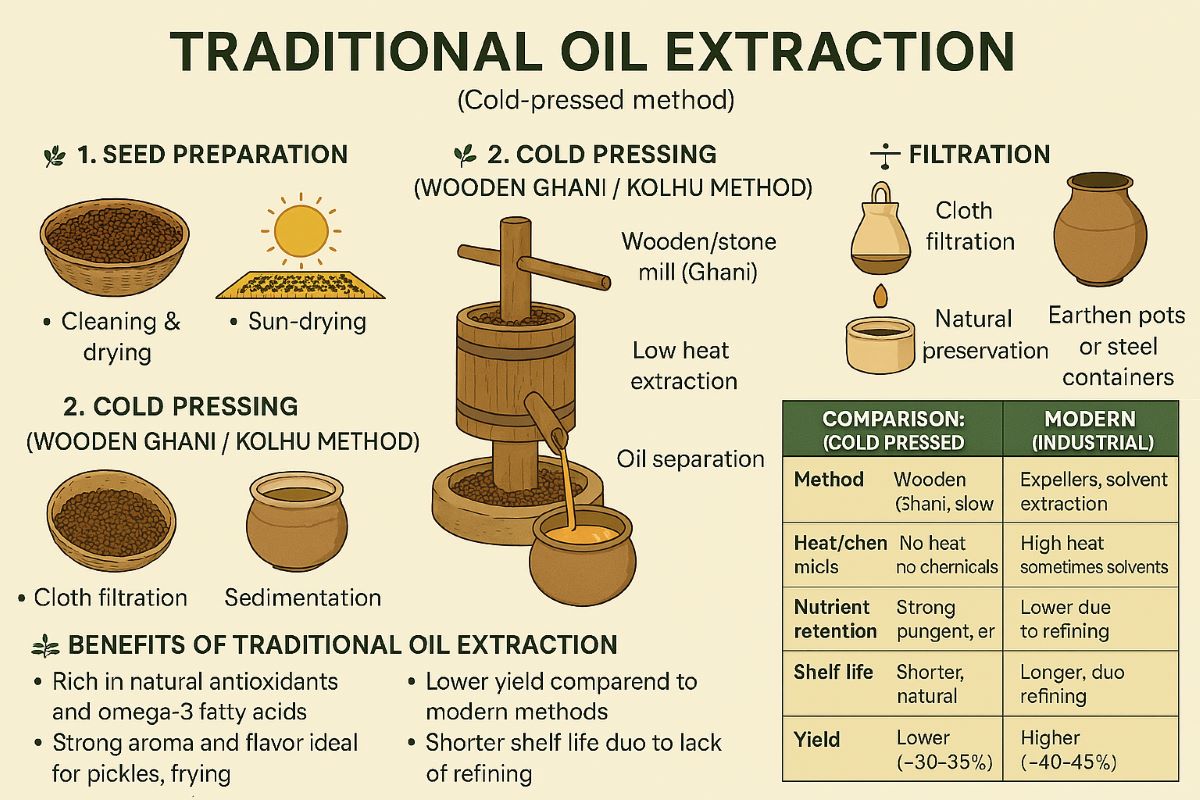
1. How Oils Were Traditionally Made
Traditional oils—such as mustard, sesame, coconut, and groundnut—were historically extracted using mechanical methods. Cold pressing or slow crushing preserved the natural fatty acid structure, micronutrients, and antioxidant compounds.
These oils were typically produced in smaller batches, consumed locally, and used within a short time frame. Importantly, they were never chemically altered to improve appearance, smell, or shelf life.
References: NCBI – Traditional Fats and Health
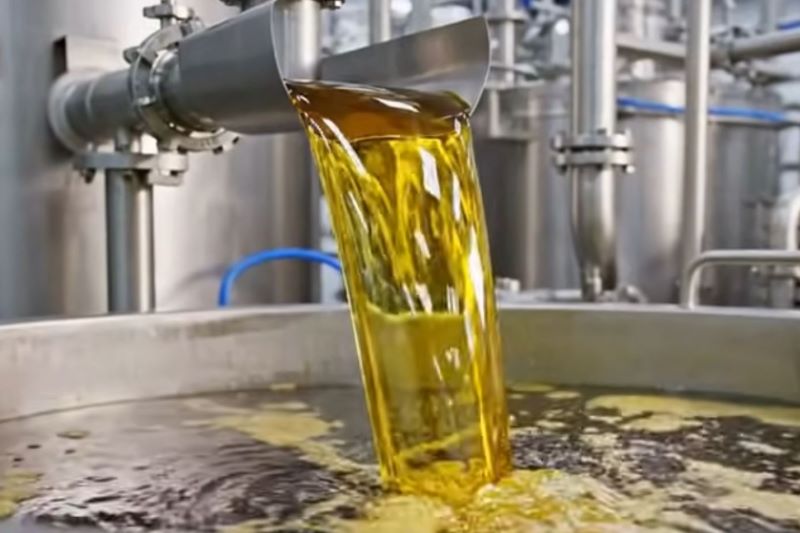
2. What Happens During Oil Refining
Refined oils undergo multiple industrial steps including solvent extraction, degumming, neutralization, bleaching, and deodorization. These processes are designed to maximize yield, remove odors, and ensure uniform color—but they also significantly alter the oil.
High heat and chemical exposure can degrade naturally occurring antioxidants and lead to the formation of oxidation by-products. While refined oils meet food safety standards, they are nutritionally different from their original form.
References: NCBI – Effects of Oil Processing, WHO – Dietary Fats
3. Stability, Heating, and Everyday Cooking
One common argument in favor of refined oils is their higher smoke point. However, stability during heating is not determined by smoke point alone. Fatty acid composition, degree of processing, and antioxidant presence all play a role.
Some traditionally extracted oils, despite lower smoke points, contain natural compounds that slow oxidative damage when used appropriately. Repeated heating of refined oils, especially in high-temperature cooking, has been associated with increased lipid oxidation.
References: NCBI – Heated Oils and Oxidative Stress

4. Long-Term Health Considerations
The health impact of oils cannot be evaluated in isolation. Frequency of use, cooking temperature, and dietary context all matter. However, evidence increasingly suggests that minimally processed fats align better with metabolic health.
Traditional oils contribute not only fatty acids but also minor bioactive compounds that are absent in heavily refined oils. These differences may appear subtle in the short term but become significant over decades of consumption.
5. What This Means for the Modern Kitchen
The question is not whether refined oils are "toxic" or traditional oils are "perfect." It is whether efficiency and shelf stability should come at the cost of nutritional complexity.
Reintroducing traditionally extracted oils—used thoughtfully and stored properly—can be a practical step toward more intentional cooking. As with most dietary choices, moderation and awareness matter more than extremes.